
#1 AMERICAN FOOTBALL PSYCHOLOGIST FOR PERFORMANCE
Perform with more composure when the score gets tight
When the pressure builds, it’s not always physical preparation that makes the difference. Our American football psychologist can help you stay composed under pressure, bounce back from mistakes, and keep your attention on the play so you perform more consistently.
1-on-1
sessions built for you
24 Hour
response time to new enquiries
WEBCAM
sessions possible
Sessions
at times that suit you
Train your mind as well as you train your body
American football demands more than strength, speed, and technical skill. You are constantly required to make decisions under pressure, recover from mistakes, and adapt to changing game situations. These mental demands can have a n impact on performance, regardless of experience or ability.
Working with our American football psychologist can help you improve your mental performance by developing practical skills that support confidence, concentration, resilience, and decision-making. Through evidence-based performance psychology, you can learn to work through the challenges of competition more effectively and get more from their training and game-day performances.
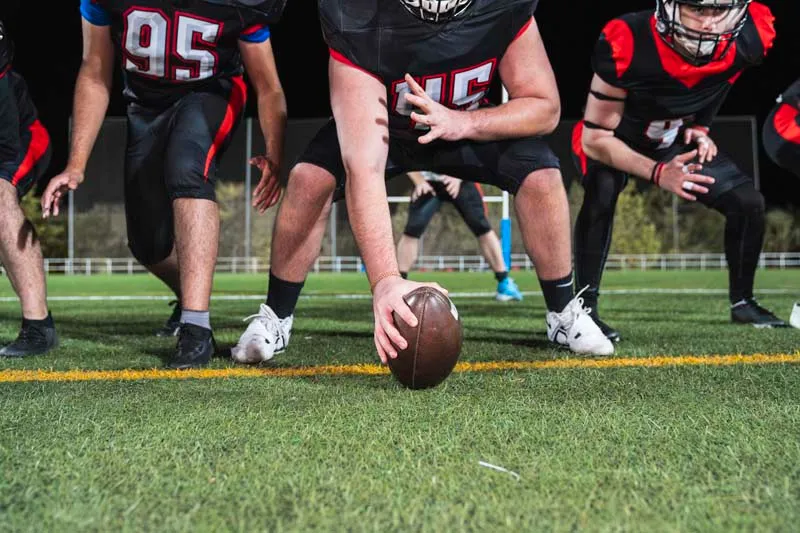
Develop the mindset behind strong performances with an American football psychologist
American football is as much a mental challenge as it is a physical one. From staying engaged throughout four quarters to responding effectively when momentum shifts, the way you think can influence every play. Our American football psychologist helps you develop the mental side of your game so you can get more from your ability.
Trust your preparation
When the pressure rises, it's easy to second-guess yourself. Learn how to trust your preparation, commit to your reads, and execute your role with confidence rather than hesitating in critical moments.
Stay locked in
A game can turn on a single lapse in concentration. Develop strategies to maintain focus and keep your attention on the next play, regardless of momentum swings, distractions, or changing game situations.
Reset after mistakes
A missed tackle, dropped catch, blown assignment, or turnover can affect the rest of your game if you let it. Learn how to reset quickly, refocus on the next series, and move forward without carrying mistakes with you.
Make better decisions
Pressure can affect judgement and execution. Develop the mental skills needed to think clearly and make effective decisions when it matters.
Find consistency
Strong performances shouldn't be left to chance. Build routines and habits that help you bring your best football to every game.
Work through challenges
Injuries, selection decisions, and performance slumps are part of sport. Learn how to manage setbacks while continuing to move forward.
Meet the psychologists who’ll help you perform with confidence from kickoff to final whistle
Selection pressure, performance expectations, injury setbacks, and balancing sport with life can all affect how you perform. An American football psychologist provides practical support to help you work through these challenges and get the most from your ability.











Ready to work with our American football psychologist?
Complete the New Enquiries form
Whether you're an athlete, parent, coach, or support person, start by completing our New Enquiries form below. Tell us a little about the situation, the sporting background, and what you'd like help with. Once we've received your enquiry, we'll aim to get back to you within 24 hours.
Book a call with Tara or Lizzie
After reviewing your enquiry, we'll organise a call with one of our New Enquiries Officers, Tara or Lizzie. This is an opportunity to discuss your goals, ask questions, and learn more about the support available. They'll also walk you through the practical details, including the costs of our different Monthly Options.
We'll help you find the right psychologist
Every athlete's situation is different. Once Tara or Lizzie have an understanding of what you're looking for, they'll recommend the psychologist best suited to your needs. They'll also help you choose the most appropriate Monthly Options and arrange your initial Kick Start Session.
Begin your 1-on-1 Mental Toughness Training
Once the Kick Start Session has been confirmed, the psychologist will get in touch to introduce themselves and explain what to expect moving forward. From there, the athlete will begin personalised 1-on-1 Mental Toughness Training custom to their goals and circumstances, with support designed to help them get the most from their performance both on and off the field.
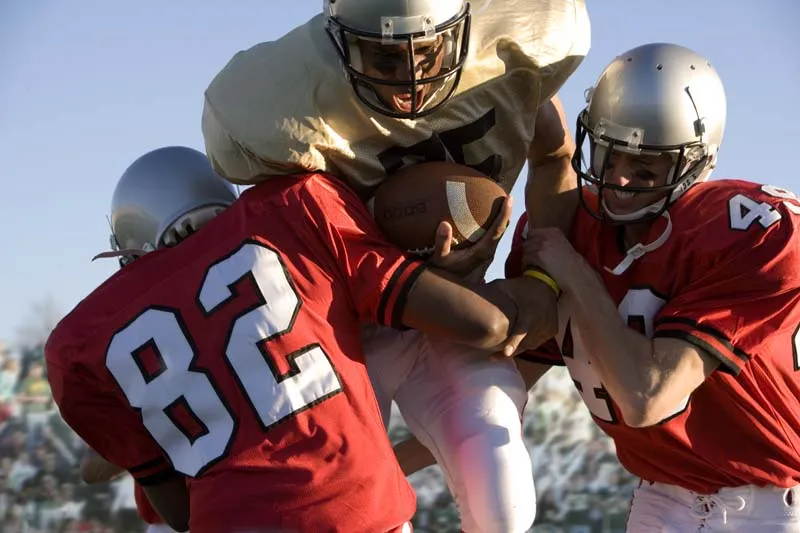
Get help when American football starts feeling like a test you need to pass
What began as a sport you enjoyed can gradually start to feel like a constant evaluation. Every game becomes a judgement of your ability. Every mistake feels bigger than it should. Every selection decision carries extra weight.
When performance becomes tied to self-worth, it’s difficult to play freely and enjoy the game. An American football psychologist can help you step away from that cycle and develop a more balanced approach to competition, performance, and personal growth.
Get in touch
If you’re ready to invest in the mental side of your game, get in touch today and learn how our American football psychologist can support your performance and development.
FAQs about working with an American football psychologist
Sports psychology can help you process a tough loss in a constructive way, learn from the experience, and move forward toward peak performance without becoming stuck in the result.
After a disappointing performance, it’s common to replay certain moments, question decisions, or focus on what should have happened differently. While reflection can be useful, dwelling on mistakes for too long can affect motivation, enjoyment, and future performances.
A sports psychologist helps you separate the outcome from the lessons within it. Rather than viewing a loss as evidence that you’ve failed, you’ll learn how to evaluate performances more objectively and identify areas for growth.
A coach typically focuses on strategy, technique, tactics, and physical performance. Meanwhile, a sports psychologist focuses on the thoughts, behaviours, and mental processes that influence how an athlete performs.
While there can be overlap, sports psychologists are trained to help athletes understand performance patterns, manage challenges, and develop practical psychological skills that support long-term growth.
Many athletes benefit from working with both a coach and a sports psychologist as part of their overall development.
Yes. Selection pressure is one of the most common challenges athletes face.
When players become overly focused on earning game time or impressing coaches, they can lose sight of the behaviours that actually contribute to strong performances. This often leads to frustration, over-analysis, or trying too hard to force outcomes.
A sports psychologist can help you focus on controllable actions, maintain perspective, and approach competition in a more productive way.
Yes. Leadership is a skill that can be developed.
Whether you’re a captain, a senior player, or someone looking to have a more positive influence on teammates, sports psychology can help you improve communication, emotional regulation, decision-making, and self-awareness.
Strong leadership is rarely about personality alone. It often comes from learning how to respond effectively in different situations and consistently setting the standard for others.
Fluctuating confidence is common in sport.
Many athletes feel confident after a strong performance and lose confidence after a poor one. The challenge with this approach is that confidence becomes dependent on results that are never fully within your control.
Sports psychology helps athletes build a more stable form of confidence based on preparation, effort, learning, and self-trust rather than simply whether things went well on a particular day.
Yes. Injuries can affect much more than physical performance.
Athletes often experience frustration, uncertainty, loss of routine, reduced motivation, or concerns about returning to previous levels of performance. These reactions are normal and can persist even after physical recovery is complete.
Sports psychology can provide support throughout the rehabilitation process and help athletes approach their return to competition with greater clarity and confidence.
Yes. Major games often bring additional expectations, pressure, and attention.
Athletes may notice changes in their thoughts, emotions, routines, or sleep leading into important competitions. While these reactions are normal, they can sometimes interfere with preparation and performance.
A sports psychologist can help you develop a consistent approach to preparation so that important games feel less overwhelming and more familiar.
Yes. Many athletes seek support because sport has started to feel more stressful than rewarding.
Over time, pressure, expectations, performance goals, and external demands can sometimes reduce enjoyment. When this happens, motivation often suffers as well.
Sports psychology can help athletes reconnect with the reasons they play, develop a healthier relationship with competition, and create a more sustainable sporting experience.
The first session is focused on understanding you, your sporting background, and your goals.
Your psychologist will ask questions about your experiences in American football, any challenges you’re facing, and what you’d like to achieve. Together, you’ll begin identifying the areas that may benefit most from support.
The goal is to develop a good understanding of your situation and create a plan moving forward to improve performance.
Yes. American football is full of moments where a single mistake can have major consequences. A missed tackle, dropped catch, blown assignment, or turnover can quickly affect confidence and decision-making if you’re unable to move on from it.
Sports psychology helps athletes develop routines and strategies to reset after mistakes and re-engage with the game. Rather than dwelling on what has already happened, you’ll learn how to focus on the next play and the actions within your control.
This skill is valuable at every level of competition because mistakes are inevitable. How you respond to them often matters more than the mistake itself.