
#1 SAILING SPORTS PSYCHOLOGIST
MAKE SOUND DECISIONS WHEN CONDITIONS CHANGE ON THE WATER
A changing breeze, crowded start line, or poor manoeuvre can test your concentration within seconds. A sailing psychologist helps you manage race nerves, respond to mistakes, and stay engaged with the next decision. Build the mental skills to sail with greater consistency during training, regattas, and long events.
1-ON-1
sessions built for you
24 HOUR
response time to new enquiries
WEBCAM
sessions possible
SESSIONS
at times that suit you
DON’T LET ONE MISTAKE DECIDE THE REST OF YOUR RACE
You misjudge the start, lose speed during a manoeuvre, or choose the wrong side of the course. Your attention stays on the error while the wind, water, and fleet keep changing. You rush the next decision, doubt your boat handling, or become cautious when you need to commit.
Mental training helps you acknowledge what happened, reset your attention, and respond to the race in front of you. Learn to separate the last result from the next action, trust your preparation, and keep making decisions under pressure with our sailing sports psychologist.
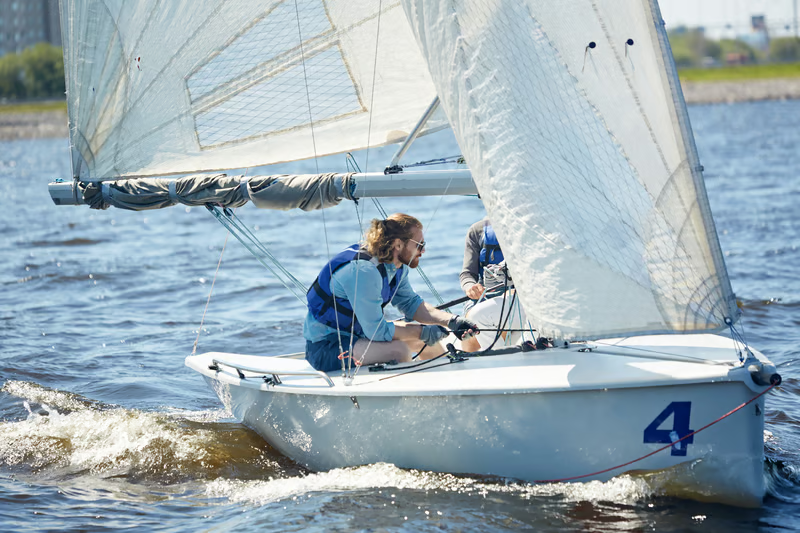
TRAIN YOUR MIND FOR THE DEMANDS OF SAILING
Sailing asks you to process changing conditions while managing effort, equipment, tactics, communication, and competitors. Training your mind can help you respond to these demands without replacing technical coaching or time on the water.
MANAGE RACE-DAY NERVES
Learn to recognise nerves before they take over your attention. Develop pre-race and on-water routines that help you direct your energy towards the conditions, prepare for the start, and stay composed throughout the race.
MAKE COMMITTED DECISIONS
Pressure can turn a considered choice into hesitation. Strengthen the habits that help you assess the available information, choose an action, and commit without repeatedly questioning your decision.
REFOCUS AFTER MISTAKES
A poor start, penalty, equipment problem, or tactical error doesn't have to control the rest of the race. Practise ways to process the setback, return to the present task, and use the opportunities still available.
MAINTAIN FOCUS DURING LONG EVENTS
Fatigue and changing conditions can affect concentration across a long race or multi-day regatta. Work on attention and pacing that support your decision making from the first start to the final leg.
HANDLE EMOTIONS ON THE WATER
Frustration, fear, and disappointment can affect judgement. Learn to notice emotional reactions early and choose actions that support your performance, even when the race doesn’t unfold as you expected.
STRENGTHEN COMMUNICATION
Team tension can build when decisions carry consequences and time runs short. Develop ways to communicate under pressure, respond to feedback, and stay connected to the crew’s shared goals and responsibilities.
MEET THE PSYCHOLOGISTS WHO HELP SAILORS PERFORM UNDER PRESSURE
Changing conditions, tactical decisions, crew communication, and race-day nerves can test your focus throughout an event. We help sailors develop the mental skills to manage pressure, recover after mistakes, and make steadier decisions from the start line.











GET SUPPORT FROM A SAILING SPORTS PSYCHOLOGIST IN 4 STEPS
FILL OUT THE NEW ENQUIRIES FORM
Complete our form below with your sailing experience, goals, and the situations affecting your performance. We’ll review your details and aim to respond within 24 hours.
SPEAK WITH A NEW ENQUIRIES OFFICER
Tara or Lizzie, our New Enquiries Officers, will arrange a call to discuss what you need. They’ll explain current pricing, session formats, and Monthly Options, which include 1–5 hours of consultation per month.
GET A KICK START SESSION SCHEDULE
Tell us where you want to improve, from race-day nerves and decision making to setbacks or communicating with the crew. We’ll recommend a suitable sports psychologist and arrange your Kick Start Session.
START MENTAL TOUGHNESS TRAINING
Begin 1-on-1 sessions with your psychologist. They take place via webcam and will focus on steadier decisions, stronger concentration, emotional control, and more consistent sailing.
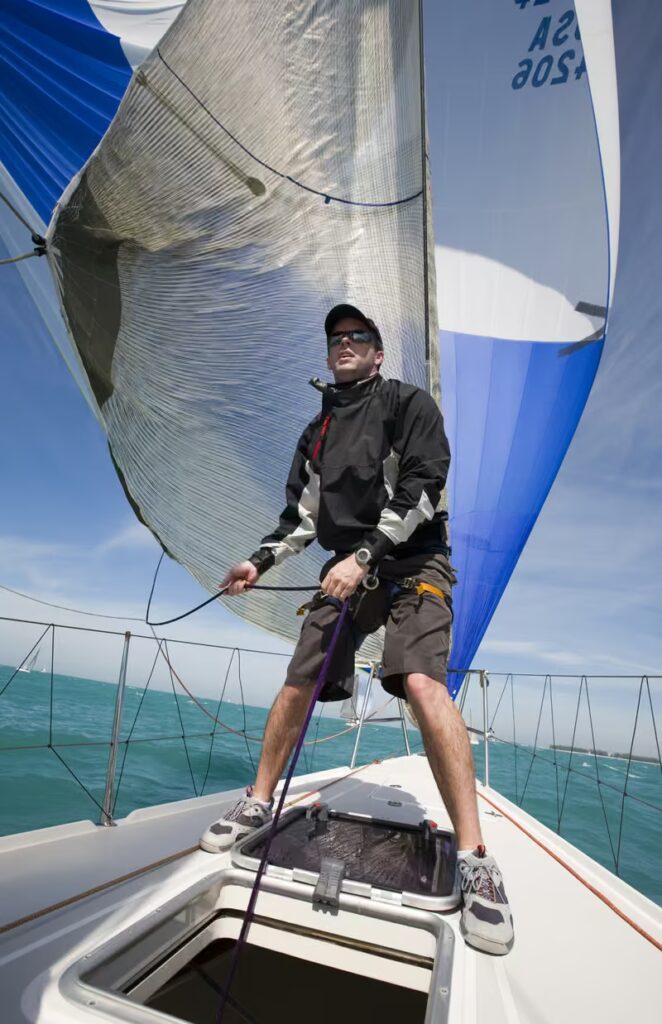
STAY COMPOSED WHEN CONDITIONS AND PLANS CHANGE
Sailors rarely compete in fixed conditions. A wind change can alter the course, a rival can force a tactical response, or an equipment issue can demand immediate attention. If frustration or fear takes control, you may stop reading the situation and start reacting to what already happened.
Mental training helps you become more aware of where your attention goes and how you respond under stress. You can work with our sailing sport psychologists on returning to relevant cues, adapting without panic, and maintaining communication when the crew needs it most.
REACH OUT TO START WORKING ON THE MENTAL SIDE OF SAILING
Whether you compete alone or as part of a crew, we’ll help you understand the available session formats, Monthly Options, and next steps.
QUESTIONS ABOUT WORKING WITH A SAILING PSYCHOLOGIST
Pressure changes where your attention goes and how your body responds. You may start thinking about results, other boats, or possible mistakes instead of reading the conditions and completing the next task.
Improving mental performance means noticing what changes between training and racing. You can then use familiar routines, attention cues, and preparation habits when the stakes feel higher.
A competitive mindset doesn’t mean forcing confidence or ignoring nerves. It means committing to useful actions even when doubt, tension, or frustration appears.
Set a point where analysis ends and commitment begins. You’ll still assess the wind, current, course, and fleet, but you won’t keep reopening a decision after it’s time to act.
Performance psychology can help you identify the thoughts that delay action. You can practise short decision routines during training until choosing and committing feel more familiar under pressure.
You won’t make every tactical choice correctly. The aim is to respond to the available information without losing time to avoidable hesitation.
Use a repeatable reset after the mistake. Acknowledge what happened, identify what the boat needs next, and return your attention to that task.
You might use a breath, a short phrase, or a physical action as your signal to move on. Practise it during training so it’s available after a poor start, penalty, or failed manoeuvre.
Resilience comes from recovering without pretending the error didn’t matter. You can learn from it after the race without letting it decide every action that follows.
Plan how you’ll respond when nerves appear. You don’t need to feel completely calm before the start, but you do need a way to direct your attention towards preparation and action.
Use a consistent pre-race sequence for equipment checks, breathing, attention cues, and the start plan. Familiar actions can reduce the urge to monitor every uncomfortable thought or sensation.
Nerves may still rise during an important event. They don’t have to stop you from communicating, reading the conditions, and committing to your decisions.
Divide the event into shorter periods with a defined focus for each one. This can help you maximise concentration without expecting yourself to stay fully engaged with every detail for hours.
International sport can add travel, unfamiliar conditions, disrupted sleep, and longer competition schedules. Your preparation should account for those demands before the first race begins.
You’ll still become distracted or tired at times. What matters is noticing it sooner and returning to the next relevant task, cue, or conversation.
Recognise your first signs of frustration and decide what you’ll do next. Those signs might include rushing, blaming, withdrawing from communication, or taking risks that don’t suit the situation.
You can prepare a response that gives the emotion time to settle without abandoning the race. A slower breath, a task cue, or a brief factual exchange with the crew may help.
Achievement doesn’t require every race to unfold as planned. How you respond to penalties, lost positions, and changing conditions can influence how much of your ability remains available.
Yes. Mental imagery can help you rehearse starts, tactical choices, communication, and responses to setbacks before you face them on the water.
Picture the conditions, what you’ll notice, and the actions you’ll take. Include difficult moments rather than rehearsing only an ideal race.
Keep the rehearsal connected to actions you can control. It should support time on the water, not replace technical training or course preparation.
Return in stages instead of expecting confidence to reappear immediately. Start with manageable conditions, review your response, and increase the demands as your trust returns.
Fear after an injury, collision, or capsize can affect anyone, from a club sailor to an Olympic athlete. It may change your decisions even after you’ve recovered physically.
Don’t deny what happened. The aim is to recognise the response, prepare for it, and keep it from controlling every future race.
Address the behaviour affecting the crew rather than guessing what others think. Agree on roles, communication terms, and how you’ll respond when frustration rises during a race.
Sport psychology can help you examine how pressure changes your tone, attention, and response to feedback. You can then practise communication that supports the crew’s next task.
You won’t prevent every disagreement. You can reduce the chance that one tense exchange disrupts decision making for the rest of the race.
Yes. The work should address the situations you face on the water, including changing conditions, tactical decisions, crew communication, and pressure during regattas.
You may have come across Tim Herzog while researching support for sailors. Different practitioners use different methods, so you shouldn’t expect every approach to work in the same way.
What matters is whether the support addresses your racing demands, recurring problems, and goals. You should be able to connect what you discuss with decisions and actions during training and competition.