
#1 Lacrosse Sports Psychologist For Clutch Plays
TAKE CONTROL WHEN THE GAME SPEEDS UP
Whether you’re taking the faceoff, carrying through transition, feeding inside, or lining up a shot, your mindset shapes every decision. Learn how our lacrosse sports psychologist helps you stay composed, back your instincts, and keep competing when the pressure builds.
1-ON-1
sessions built for you
24 HOUR
response time to new enquiries
WEBCAM
sessions possible
Sessions
at times that suit you
STOP SECOND-GUESSING EVERY POSSESSION
A turnover, dropped pass, or missed shot can quickly pull your attention away from the game. Instead of reading the defence, you begin replaying the mistake, forcing passes that aren’t there, or rushing shots you’d normally take with confidence. The harder you try to make up for the error, the more your decision-making starts to suffer.
Building mental skills with a lacrosse sports psychologist helps you reset after every play instead of carrying mistakes into the next possession. You’ll learn how to trust your stick skills, stay composed when the pressure rises, and make confident decisions whether you’re dodging, feeding teammates, or protecting your defensive end.
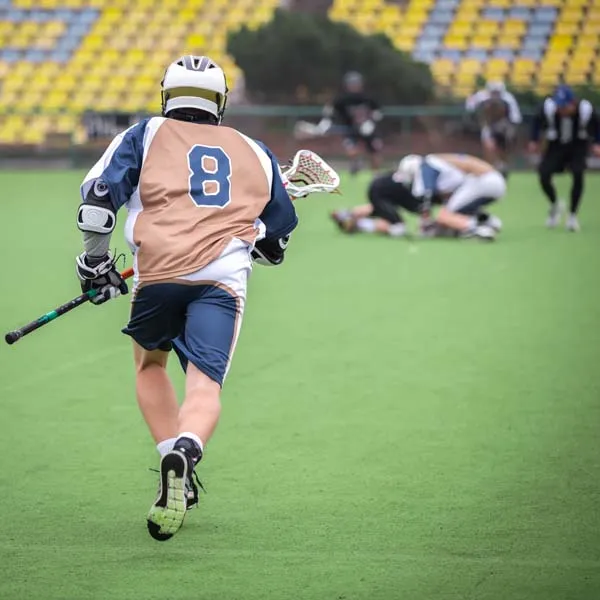
PERFORM WITH PURPOSE IN EVERY POSSESSION
Lacrosse demands quick decisions, composure, and commitment under pressure. We teach practical mental skills that help you recover after mistakes, handle momentum swings, and keep making good decisions when the game is on the line.
Trust your first read
Back your instincts instead of hesitating with the ball. Learn to recognise the right option, commit to your decision, and avoid overthinking when the defence starts to collapse under pressure.
Reset after turnovers
Don't let one mistake affect the next possession. Develop routines that help you move on quickly, regain your composure, stay mentally engaged, and stay ready for the next opportunity.
Stay patient on attack
Avoid forcing passes or low-percentage shots when the pressure builds. Learn to slow your thinking, create better opportunities, and make better decisions in the attacking third.
Defend with composure
Stay disciplined when marking your opponent or protecting the crease. Build the mental control to react to changes and avoid costly lapses under pressure throughout the game.
Handle momentum swings
Momentum can change in a single possession. Learn how to respond after scoring runs, defensive stops, or setbacks without letting emotions dictate your next play.
Compete until the siren
Maintain your intensity when fatigue begins to set in. Build the mental habits to keep communicating, backing your teammates, and competing strongly until the final siren.
THE SPORTS PSYCHOLOGISTS BEHIND STRONGER LAXERS
Every player faces moments that test their mindset. Whether you’re struggling to trust your decisions or settle into the pace of a match, our sport psychologists work with you to build practical mental skills that support better performances in training, competition, and every stage of your development.











GET GAME READY IN 4 SIMPLE STEPS
Tell us about your game
Share your background, current goals, and the mental challenges you'd like to work on. Whether you're preparing for trials, the season ahead, or an important tournament, complete our New Enquiries form. We'll aim to reply within 24 hours.
Chat with our New Enquiries Officer
Once we've reviewed your enquiry, Tara or Lizzie, our New Enquiries Officers, will arrange a call to learn more about your needs. They'll answer your questions, explain our Monthly Options, and help you understand what happens next.
Find the right psychologist
We'll match you with the lacrosse sports psychologist best suited to your goals and organise your Kick Start Session, whether you're struggling after turnovers, rushing decisions with the ball, or finding it difficult to perform under pressure.
Start 1-on-1 sessions
You psychologist will guide you through 1-on-1 Mental Toughness Training sessions. You'll work on the habits that help you settle after mistakes, trust your first read, communicate with the team, and stay committed to every possession.
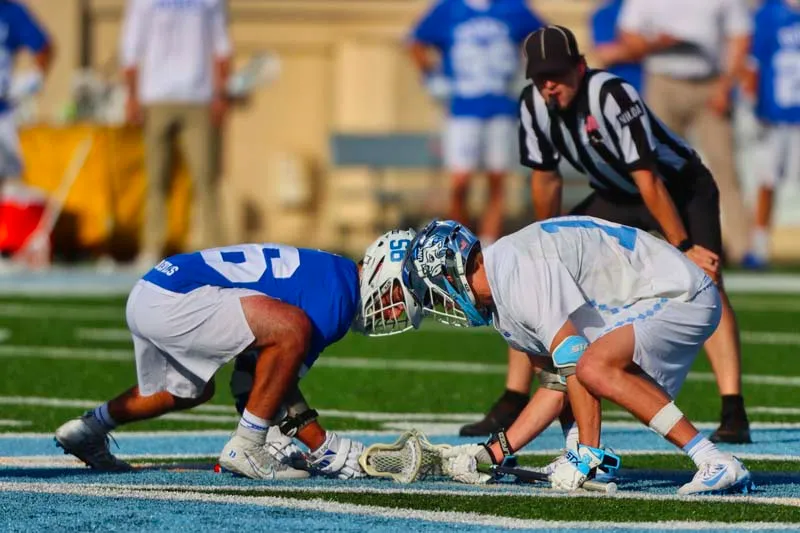
STOP PLAYING NOT TO MAKE MISTAKES
When you’re more concerned about making mistakes than making plays, your game starts to change. You pass up shooting chances, hesitate on dodges, or move the ball on before the defence has to react. Instead of trusting your instincts, you’re trying not to get anything wrong, which makes it harder to play with confidence and intent.
Working with our lacrosse sports psychologist helps you replace hesitation with commitment. You’ll learn how to back your decisions, attack opportunities with intent, and play the way you know you’re capable of, even when the match becomes fast and demanding from one possession to the next under pressure.
START ENJOYING YOUR SPORT AGAIN
Your performance isn’t defined by one turnover or missed shot. Get the support to trust your instincts and keep growing the mindset that helps you play better every time you step onto the field.
COMMON QUESTIONS ABOUT WORKING WITH A LACROSSE SPORTS PSYCHOLOGIST
Yes. Many players recover physically after a mistake but continue carrying it into the next few possessions. That can affect your passing, communication, shot selection, and willingness to stay involved in the play.
A sports psychologist helps you grasp what’s happening mentally after a turnover and why one mistake can influence the decisions that follow.
You’ll learn routines that make it easier to reset instead of dwelling on what already happened. The goal is to stop them affecting the way you perform in games so you can keep backing your skills throughout the match.
No. Your coach is responsible for growing your technical and tactical game, while a performance psychologist focuses on the mental side of performance. Each plays a different role.
The best results often come when both work in partnership. Mental training supports the work you’re already doing on the field rather than replacing your current coaching.
You’ll continue following your training programme while building habits that help you perform those skills more consistently during matches.
Many players notice that their skills and strengths feel natural at training but become much harder to trust once the scoreboard, opposition, and expectations are involved.
That doesn’t necessarily mean you’re underprepared. It often means the mental demands of competition are affecting how you perform.
A sports psychologist helps you follow what’s changing between training and competition. You’ll identify the thoughts, behaviours, and habits that begin influencing your decisions once the pressure increases.
Not at all. We work with players across different ages, standards, and stages of their game, from juniors through to highly competitive athletes.
Some people want support before representative selection, while others simply want to enjoy their lacrosse more or perform more consistently for their club. The starting point is different for everyone.
Our psychologists also work across many areas of athletics, so they know how mental skills transfer between different sporting environments.
It’s the study of how thoughts, emotions, and behaviours influence both sporting performance and physical activity. It provides the research that guides many psychological approaches used in sport.
Our sessions apply those principles to the challenges you’re experiencing. Rather than discussing theory, you’ll focus on practical strategies that fit your game.
The aim is to help you form habits that continue supporting your performance psychological skills long after your sessions have finished.
The number depends on your goals, the challenges you’re facing, and the changes you’d like to make. Some players seek support before an important tournament, while others continue throughout the season.
There isn’t a fixed programme that every client follows. Your psychologist will recommend an approach that reflects your circumstances and the progress you’re making.
As your needs change, your meetings can also change to keep supporting your growth.
Yes. Peak performance is about giving yourself the best opportunity to perform well, even when the game becomes demanding.
You’ll work on routines that support your preparation, help you respond after setbacks, and allow you to stay committed to the way you want to play.
Over time, those habits become part of the way you approach both training and competition.
Yes. Tight games often bring extra pressure, especially when every possession feels important. It’s common to become more cautious or start questioning decisions that normally come naturally.
Mental training helps you recognise those moments before they take over your performance. You’ll learn how to settle your thoughts, stay committed to your role, and keep responding to what’s happening in front of you.
Those skills become just as valuable in training as they’ll be in finals, tournaments, and other high-pressure situations.
Mark Glicini is well known in Australian sport for his work with athletes and teams. His contribution has helped raise awareness of the importance of mental preparation in performance.
Our mental performance coaches also use evidence-based methods, but every session is shaped around the individual rather than following one person’s philosophy.
That means your support is guided by your goals, your challenges, and the progress you make throughout the process.
No. Our psychologists support athletes from many different sports, including football, soccer, racquet sports, swimming, cycling, and combat sports.
Although every sport has its own demands, many athletes experience similar challenges around pressure, confidence, concentration, and responding after mistakes.
That broad experience allows us to draw on proven psychology principles while keeping every session relevant to the demands of lacrosse.