
#1 Badminton Psychologist For Improved Matches
STAY COMPOSED THROUGH EVERY SMASH AND GAME POINT
Some badminton players perform well in training but struggle to play the same way during matches. You hesitate on attacking shots, lose focus after unforced errors, or stop trusting your decisions when rallies get more intense. Our badminton psychologist helps you build the mental skills needed to compete with greater confidence under pressure.
1-ON-1
sessions built for you
24 HOUR
response time to new enquiries
WEBCAM
sessions possible
Sessions
at times that suit you
DON'T LET ONE BAD SHOT AFFECT YOUR WHOLE GAME
One missed smash, poor shot choice, or unforced error can change the momentum of a match in seconds. You might start playing more cautiously, rushing your shots, or thinking about the last point instead of preparing for the next rally.
These small changes can affect your confidence and decision-making. Our badminton psychologist helps you develop better ways to respond after mistakes, stay focused between points, and trust your game when matches become difficult.
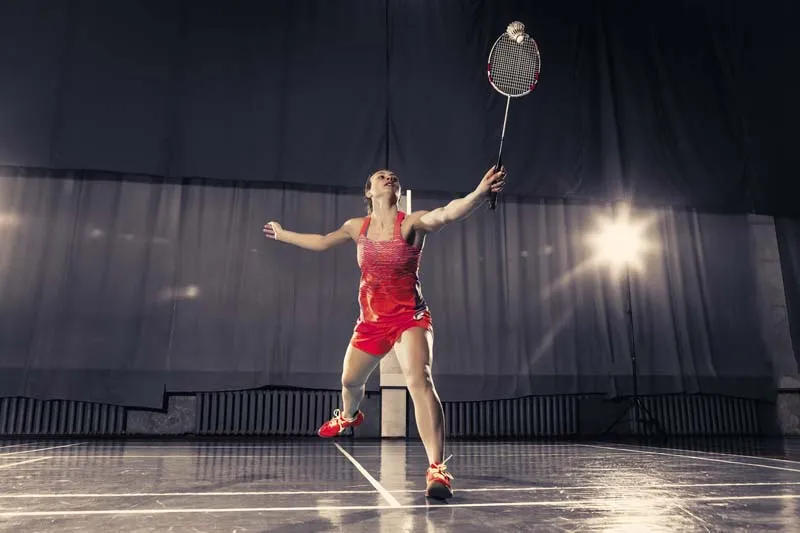
BUILD THE MINDSET THAT HELP YOU WIN TOUGH RALLIES
Your mindset can affect how you execute when the pressure rises. Through mental training, we help you work through the challenges that can stop you from playing your best badminton. Our strategies are designed to work in both a training and competition setting.
Trust your shot selection
When rallies speed up, it's easy to second-guess whether to attack, defend, clear, or play a drop shot. Learn how to make confident decisions, commit to every shot, and avoid hesitation.
Stay focused between points
A match can change after just a few rallies. Build routines that help you reset after long exchanges, missed opportunities, and frustrating moments so you can fully refocus before the next point.
Recover after unforced errors
Every player makes mistakes during a match. Learn how to move past missed smashes, loose net shots, and poor decisions without carrying frustration into the next rally or point.
Handle tournament pressure
Competition often feels very different from training. Develop practical strategies to manage nerves, expectations, and pressure so you can stay composed and perform with confidence.
Build consistency across matches
Playing well once is different from performing consistently. Develop habits that help you bring the same confidence, focus, and decision-making to every training session and tournament match.
Respond to setbacks
Injuries, losses, selection decisions, and periods of poor form can affect confidence. Learn how to respond positively, stay motivated, and keep enjoying the game while continuing to improve.
MEET THE SPORT PSYCHOLOGISTS BEHIND STRONGER BADMINTON PERFORMANCES
Our badminton psychologist provides practical support to help you build confidence, reset after mistakes, and perform at your best on court, whether you’re competing in a high performance environment or trying to stay composed during tight rallies when the pressure is at its highest.











START WORK WITH OUR BADMINTON PSYCHOLOGIST IN 4 EASY STEPS
Fill in our New Enquiries form
Start by telling us about your badminton background, current goals, and what you’d like to improve. Whether you’re preparing for tournaments, struggling with match pressure, or looking to become more consistent on court, complete our New Enquiries form and we’ll aim to respond within 24 hours.
Book a call with our New Enquiries Officers
We’ll arrange a call with one of our New Enquiries Officers, Tara or Lizzie, after reviewing your enquiry. They’ll answer your questions, learn more about your badminton experience, explain the Monthly Options available, and help you understand the next steps before starting your mental training.
Share your challenges
Whether you’re dealing with tournament nerves, a confidence slump, frustration after mistakes, or difficulty staying composed in tight rallies, Tara or Lizzie will recommend the badminton psychologist best suited to your needs. They’ll also help arrange your initial Kick Start Session.
Start your 1-on-1 sessions
Once your Kick Start Session has been confirmed, your badminton psychologist will get in touch to explain what to expect moving forward. From there, you’ll begin personalised 1-on-1 Mental Toughness Training focused on your goals, helping you build confidence and perform more consistently on court.
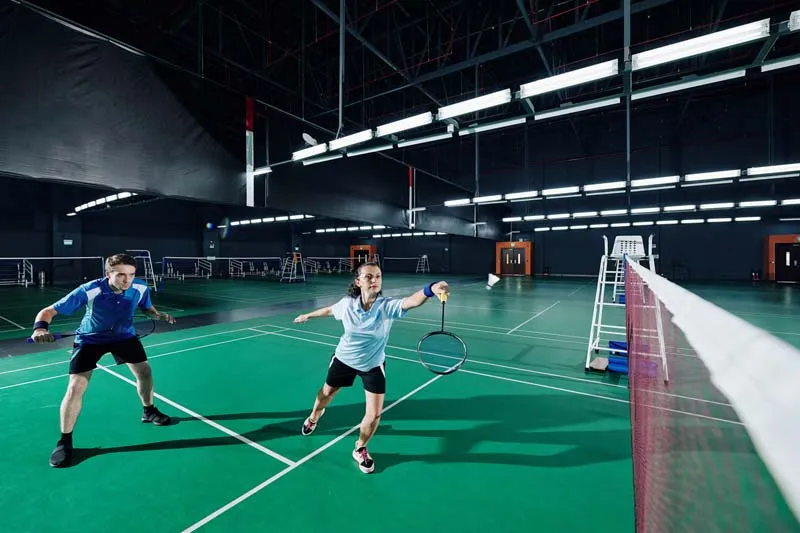
DON’T LET A MISSED SMASH OR SHOT DECIDE YOUR MATCH
You replay the missed smash, the easy net shot you missed, or the moment you lost control when the score was close. The more you dwell on those moments, the harder it becomes to trust your decisions and stay confident during future matches.
Over time, those thoughts can affect your confidence before you even step on court. Our badminton psychologist helps you rebuild confidence, review performances, learn from highlights, and stay focused without letting a few points define your game.
BE READY WHEN THE GAME GOES TO DEUCE
Your ability to stay focused, make decisions, and respond when matches become difficult matters on the court. Learn how our badminton psychologist can help you improve the mental side of your game and play with more confidence under pressure.
QUESTIONS WE GET AS THE TOP-RATED BADMINTON PSYCHOLOGIST
Badminton players often seek support for challenges related to confidence, focus, pressure, motivation, and consistency during training or competition.
Some players know they can perform well in practice but struggle to bring the same level to tournaments. Others might lose confidence after repeated mistakes, become frustrated during close games, or find it difficult to stay composed when playing stronger opponents.
Our badminton psychologist can help you understand the thoughts, behaviours, and habits affecting your performance. The goal is to build mental skills that support better decision-making, confidence, and long-term development while also supporting your mental health and wellbeing.
You don’t need to wait until you’re struggling to benefit from sports psychology. Many athletes work with a psychologist as part of their ongoing development and performance goals.
Some players seek support during difficult periods, such as a form slump, anxiety before competition, sport injury recovery, or pressure around important competitions. Others want to improve their mindset and prepare for higher levels of competition.
Working with our badminton performance psychologist can help you develop better routines, improve your approach, and build skills that support both performance and wellbeing.
A badminton psychologist can assist you with the mental factors that influence how you train, compete, and respond under pressure. This highlights the importance of developing mental skills alongside your physical training.
This may include improving focus, building confidence, managing emotions, preparing for tournaments, and developing strategies for difficult moments on court.
Many players already have the physical skills and technical ability required to perform well but struggle to access them consistently. Mental training can help you develop a strategy for handling pressure, responding after mistakes, and moving closer to peak performance.
Yes. Tournaments can create different challenges compared with normal training sessions.
Players might experience extra nerves, pressure around results, concerns about expectations, or difficulty performing when every point feels important. Our sport psychologist can help you prepare mentally before competition and develop routines that support your performance.
This type of preparation can help athletes build confidence, improve consistency, and work towards higher levels of performance excellence.
Yes. Overthinking is a common issue in badminton because points move quickly and decisions need to happen within seconds.
You might hesitate before attacking, question your shot selection, or focus too much on a previous mistake instead of the next point. Some players also use techniques such as mindfulness to improve their awareness, stay present during points, and avoid getting caught up in negative thoughts.
These patterns can affect confidence, timing, and how freely you play. Our badminton psychologist can help you develop strategies to manage these thoughts and stay focused on the situation in front of you.
Yes. Returning from a sport injury can involve more than physical rehabilitation.
Many athletes experience frustration, uncertainty, or hesitation when returning to competition. You might worry about moving freely again, trusting your body, or performing at your previous level.
Psychological support can help you manage the mental side of rehabilitation, rebuild confidence, and prepare for a stronger return to badminton.
It depends on your goals and what works best for your situation.
A coach usually focuses on technical skills, tactics, training plans, and badminton development. A psychologist focuses on the mental factors that influence performance, preparation, and competition.
When appropriate, collaboration between your coach or coaching staff, psychologist, and wider support network can create a stronger approach to your development.
No. Sports psychology can help athletes at many different stages of development.
Junior players, adolescent athletes, club competitors, and senior players can all benefit from improving confidence, focus, preparation, and competition habits.
You don’t have to be competing at the highest level to work on your mindset. Developing strong mental skills early can support future growth and performance.
A psychologist may use different evidence-based approaches depending on your needs and goals and sport and exercise.
Some practitioners use strategies from cognitive behavioural therapy (CBT) or cognitive behavioural techniques to help athletes understand how thoughts, emotions, and behaviours influence performance.
The focus is practical support that helps you develop skills you can apply in training, competition, and everyday life.
Finding the right practitioner comes down to your goals, challenges, and what you want to improve.
You might be looking for support with confidence, performance enhancement, returning from injury, competition preparation, or overall wellbeing. Some players also ask about workshop opportunities, although most support is delivered through individual sessions.
A good fit gives you the opportunity to work with someone who understands athletes, performance demands, and the challenges involved in improving your game.